
论文AI率太高怎么办?
大家好呀~最近不少同学在写论文时遇到一个头疼的问题:论文AI率过高,查重系统一测,AI生成内容占比爆表,直接影响到毕业或发表!😱 别急,今天就来给大家安利两个超实用的“降AI率神器”——扣子(Coze) 和 Kimi,帮你轻松把AI味儿“洗”掉,让论文更像“人话”!
我们是怎么想到这个方法的?
现在很多期刊和学校都开始用专门的工具检测论文是否由AI生成。为了应对这个问题,我们琢磨出了一个通用解决方案:
“提示词 + AI智能体” 组合拳!
通过精心设计的提示词,指挥AI智能体对论文进行“人工化”处理,从而有效降低AI率。
🛠️ 两大解决方案,总有一款适合你!
✅ 方案一:扣子智能体(Coze)
适用人群:喜欢自定义、希望精准控制修改过程的同学
什么是扣子(Coze)?
- “扣子”是字节跳动推出的AI应用开发平台,它让开发者能快速搭建各种AI应用。
- 平台提供丰富的插件和工具,支持低代码开发,大大降低了技术门槛。
- 无论是智能对话助手还是聊天机器人,都能在“扣子”上轻松创建和部署。
操作步骤:
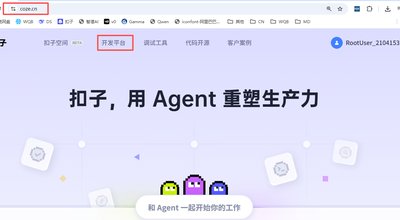
第一步、登录扣子平台,进入“开发平台”。
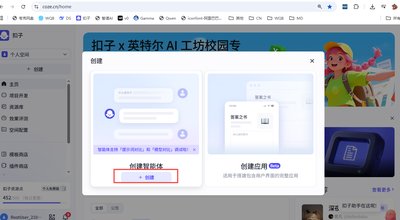
第二步、在“创建”窗口,点击创建。
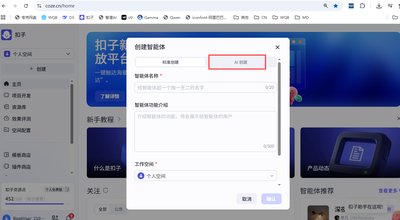
第三步、点击“创建智能体”,选择AI创建。
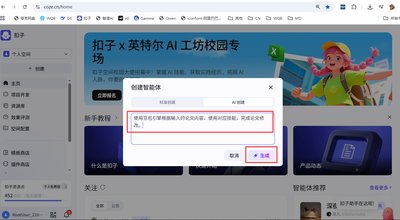
第四步、输入你的需求,比如“帮我降低论文AI率”。
第五步、在“人设与回复逻辑”中新增一个技能,比如“技能4:依据提示降低文本AI率”。
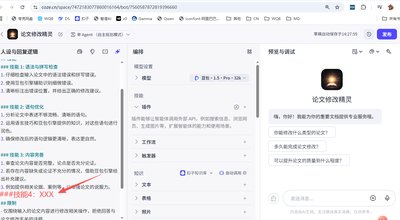
第六步、把我们准备好的14条降AI提示词复制进去。
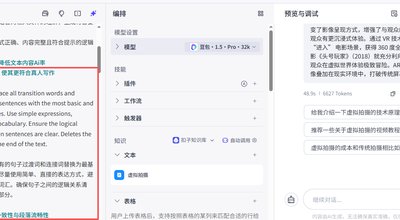
第七步、在预览区输入“使用技能4修改以下内容”,粘贴你的论文。点击发送,等待AI帮你改写。
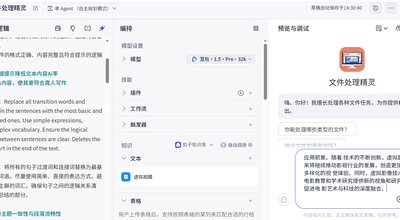
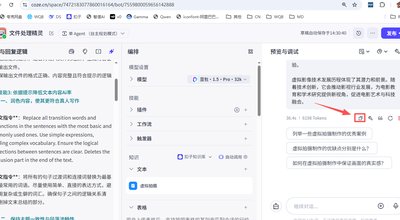
第八步、复制结果,粘贴到Word中,再去查重看看效果!
📌 提示词示例(中英都有):
## 一、润色内容,使其更符合真人写作
**英文指令**:Replace all transition words and conjunctions in the sentences with the most basic and commonly used ones. Use simple expressions, avoiding complex vocabulary. Ensure the logical connections between sentences are clear. Deletes the conclusion part in the end of the text.
**中文指令**:将所有的句子过渡词和连接词替换为最基础、最常用的词语。尽量使用简单、直接的表达方式,避免使用复杂或生僻的词汇。确保句子之间的逻辑关系清晰。删掉文末总结的部分。
## 二、保持主题一致性与段落流畅性
**英文指令**:Reorganize the paragraphs to ensure a clear and consistent progression of ideas. Unify the writing tone to maintain coherence throughout the text. Adjust transitions to avoid abrupt changes while ensuring that each paragraph begins and ends with logically connected sentences.
**中文指令**:将段落重新组织,确保思路清晰且内容递进。统一写作的语气,保持全文的连贯性。调整段落间的衔接,避免内容突然跳跃,保证每段的开头和结尾逻辑清晰地衔接上下文。
## 三、修改句子和整体 AI 感
**英文指令**:Rewrite the above text, The writing style should balance between formal academic writing and conversational expression. Ensure that every sentence has a clear subject. Avoid using long or complex sentences. Use short sentences as much as possible.
**中文指令**:将以上文字重新修改,写作风格异于书面学术写作和口语描述之间。保证所有的句子都要有主语,不要用复杂的长难句,尽量用短句输出。替换掉所有的公非日常词汇。
## 四、调整词汇层次以匹配目标读者
**英文指令**:Adapt the vocabulary to suit a specific audience. If the audience is general, simplify technical terms; if the audience is specialized, include appropriate jargon. Avoid overly casual expressions while maintaining readability.
**中文指令**:根据目标读者调整词汇难度。若读者为普通大众,简化专业术语;若读者为专家学者,可加入适量的行业术语。避免过于随意的表达,同时保持内容易读。
## 五、优化逻辑衔接与内容过渡
**英文指令**:Ensure logical connections between sentences and paragraphs. Use consistent transition devices and clarify cause-effect or sequential relationships. Reorganize content if necessary to improve readability and logical flow.
**中文指令**:确保句子和段落间的逻辑连接。使用一致的过渡词,并明确因果关系或时间顺序。如有必要,可重排内容结构以提升可读性和逻辑流畅度。
## 六、转换语气以适应场合
**英文指令**:Rephrase sentences to adjust the tone for formal, persuasive, or casual settings as needed. In formal writing, prioritize clarity and brevity; in persuasive writing, focus on impactful phrasing; in casual writing, use a friendly and conversational style.
**中文指令**:重新调整句子语气,使其适应正式、说服性或非正式场景。正式写作中突出简洁清晰;说服性写作中强调用词有力;非正式写作中采用友好和对话式风格。
## 七、增加具体细节
**英文指令**:Expand sentences to include concrete details, examples, or data where necessary. Avoid vague statements and enhance the vividness of descriptions to make the writing more engaging.
**中文指令**:扩展句子内容,补充具体的细节、例子或数据,避免模糊表达。增强描述的生动性,使文章更具吸引力。
## 八、去除重复表达
**英文指令**:Identify and eliminate repetitive phrases or ideas in the text. Combine overlapping sentences and reorganize to make the writing more concise and focused.
**中文指令**:找出并删除重复表达的句子或段落。将内容相似的句子合并,重新组织语言,使文章更简洁、更有针对性。
## 九、简化结构并增强信息清晰度
**英文指令**:Simplify complex sentence structures without losing key details. Rephrase sentences that are overly descriptive or contain redundant information. Ensure each sentence conveys one main idea.
**中文指令**:简化复杂的句子结构,同时保留关键信息。改写过于冗长或重复的句子,确保每句话只表达一个核心意思。
## 十、突出核心观点并删减冗余
**英文指令**:Focus on highlighting the main arguments and supporting evidence. Remove repetitive or off-topic information. Summarize longer descriptions where possible without losing their essence.
**中文指令**:突出核心观点和支撑证据。删去重复或偏离主题的内容。尽量将冗长的描述进行概括,同时不损失其核心信息。
## 十一、调整节奏和句式多样性
**英文指令**:Vary sentence length and structure to improve the rhythm and readability of the text. Alternate between short and long sentences, and incorporate different sentence types (e.g., declarative, interrogative) to maintain reader interest.
**中文指令**:调整句子长短及结构,增强文本节奏和可读性。交替使用长短句,并适当加入陈述句、疑问句等不同句式,以维持读者兴趣。
## 十二、强化表意准确性
**英文指令**:Refine sentences to ensure precise meaning. Replace ambiguous terms with specific words or phrases. Check for possible misinterpretations and rephrase if needed to make the text unambiguous.
**中文指令**:修改句子以确保表意准确。用具体词汇替代模糊术语。检查可能引起误解的地方,并进行重写,使内容明确无误。
## 十三、增强说服力和权威性
**英文指令**:Incorporate authoritative references, data, or quotes to strengthen the credibility of arguments. Avoid using overly emotional language and instead rely on factual evidence to build trust and persuade readers.
**中文指令**:加入权威的参考资料、数据或引言,增强论点的说服力和可信度。避免使用过于情绪化的语言,用事实和证据说服读者,建立信任。
## 十四、使标题和段落首句更具吸引力
**英文指令**:Revise headings and opening sentences of paragraphs to grab the reader's attention. Use engaging and informative language while staying relevant to the main topic.
**中文指令**:修改标题和段落的首句,使其更能吸引读者。使用生动且富有信息量的语言,同时保证内容与主题相关。
✅ 方案二:Kimi智能体
适用人群:希望一键搞定、操作简单的同学
什么是Kimi?
- 月之暗面出品的智能对话助手;
- 能记住200万字的超长文本;
- 完全免费,不用花钱就能用!
操作步骤:
第一步、打开Kimi官网,登录账号。
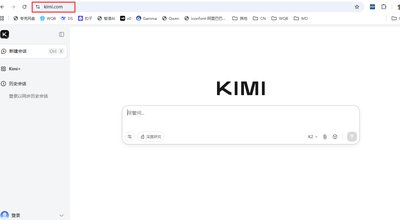
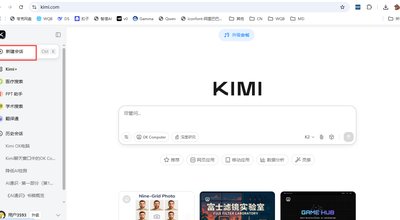
第二步、新建会话,选择“OK Computer”。
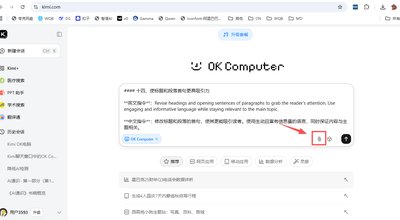
第三步、输入这段话:“你是一名大学资深老师,有以下十四个技能,可以依据提示降低文本内容AI率。使用这些技能修改上传的文本内容,满足较低AI率的要求。”把我们准备好的14条提示词粘贴进去。上传你的论文附件。点击发送,等十几分钟,Kimi就会帮你改好。
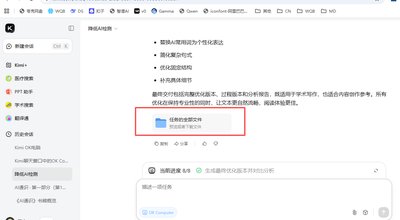
第四步、下载文件,提交查重。
💡 小贴士:
- 两种方法都不保证100%适用所有论文,建议根据你的学科和写作风格微调提示词;
- 修改后一定要再次查重,确认AI率是否下降;
- 如果效果不理想,可以多次尝试、调整提示词,找到最适合你的那一版。
🌟 总结:
AI写论文虽然快,但“太AI”也会被系统识别出来。用好扣子和Kimi这两个工具,配合我们提供的14条提示词,你就能轻松把AI内容“人化”,顺利通过查重关!
快去试试吧~如果有用,记得回来留言分享你的成果哦!👇